
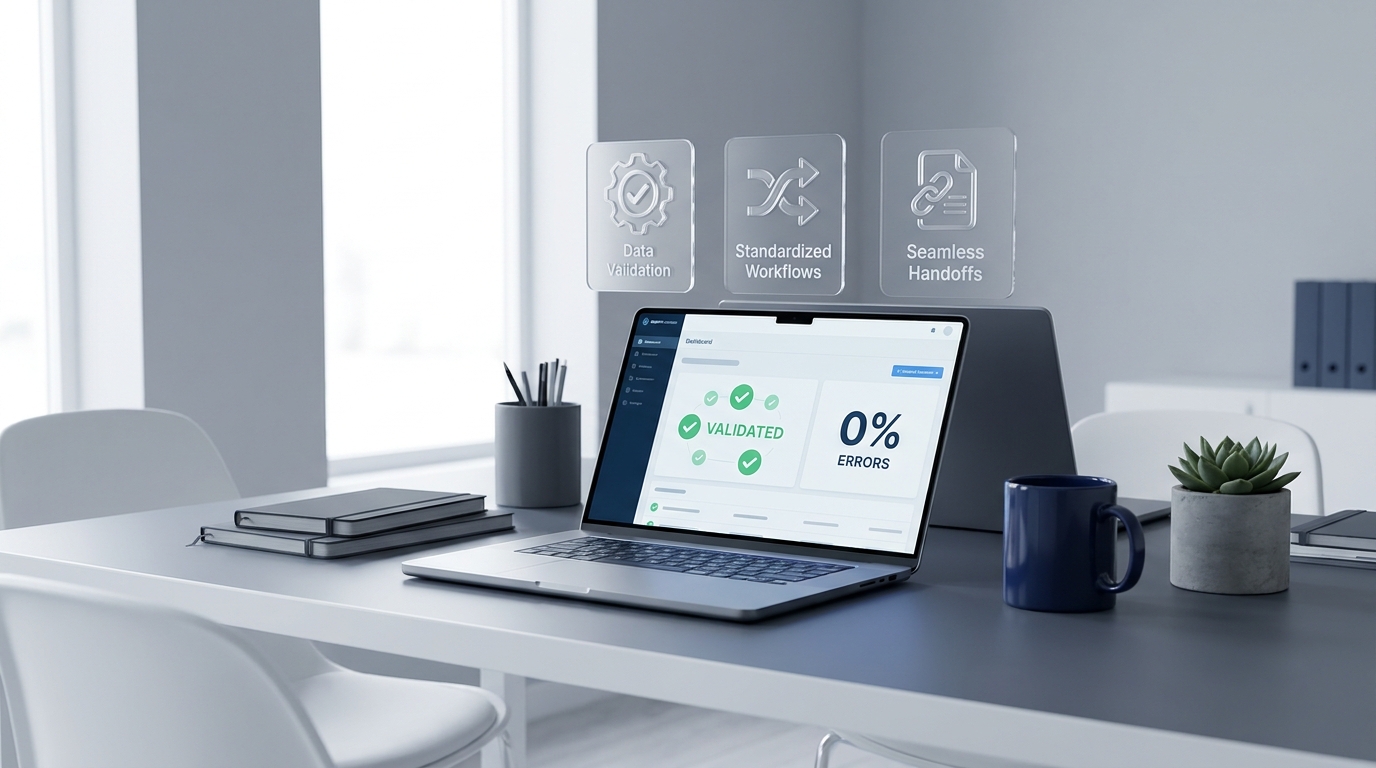
Human error is one of the most overlooked, silent drains on modern business revenue.
Think about it: a misplaced decimal point in a spreadsheet, an incorrectly entered customer ID, a missed approval email, or an outdated tracking doc. While they seem like “minor slips,” these small mistakes quickly snowball into massive headaches. In high-stakes industries like finance, healthcare, government, and manufacturing, a single typo can spark compliance violations, heavy financial losses, and frustrated customers.
But here is the truth: the problem isn’t that your employees are careless. The problem is that we are forcing humans to do jobs that machines were born to do.
That is where business automation steps in. It’s not just about speed—it’s about building a bulletproof layer of operational consistency.
Why Manual Work is a Sandbox for Mistakes
When humans are asked to perform the exact same administrative task over and over again, their brains naturally seek shortcuts or zone out. It’s basic biology.
Most office errors trace back to manual tasks like:
- Copy-pasting data between systems
- Manually typing in customer information
- Processing paper invoices and chasing approvals
- Manually running reports or updating stock records
Whether due to fatigue, simple office distractions, or miscommunication, manual handoffs create constant opportunities for things to go wrong.
4 Ways Automation Slashes Human Error
By introducing digital workflows, you can eliminate the points of friction where mistakes typically happen:
1. Consistent Data Entry
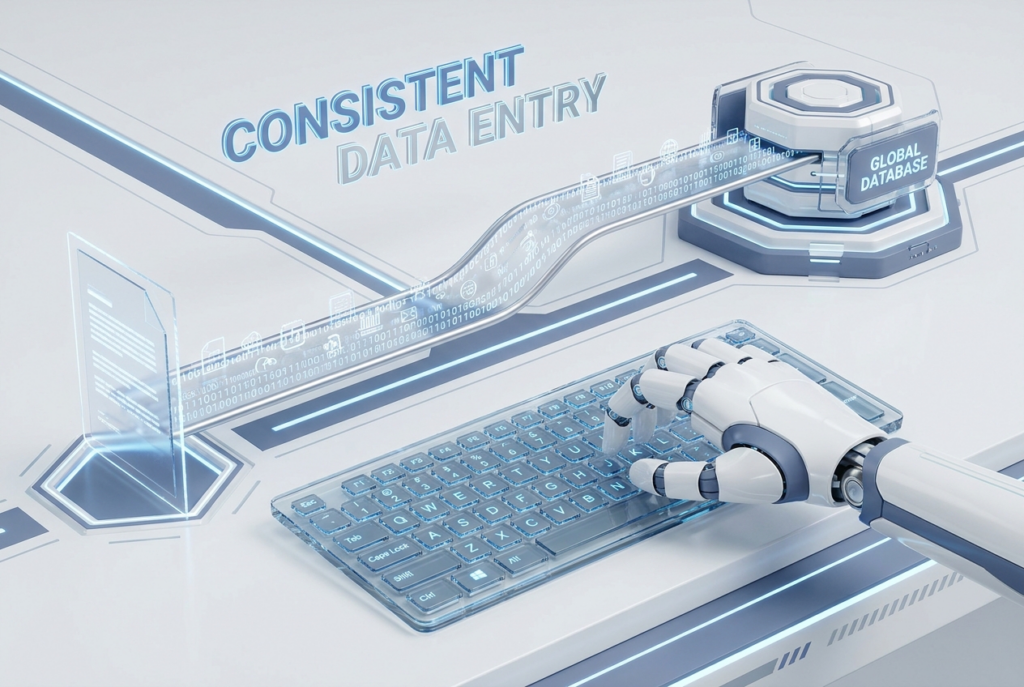
Instead of having an employee copy details from an email and paste them into your database, automated software can extract and transfer the information instantly. No typos, no missed fields, and no double-handling.
2. Fully Standardized Workflows
With automation, rules are set in stone. Take a purchase approval, for example. The software ensures it automatically goes through these exact steps every time:
Submission —> Automated Rule Check —> Manager Alert —> Database Log
No steps get skipped, and nothing gets swept under the rug.
3. Automated Guardrails (Data Validation)
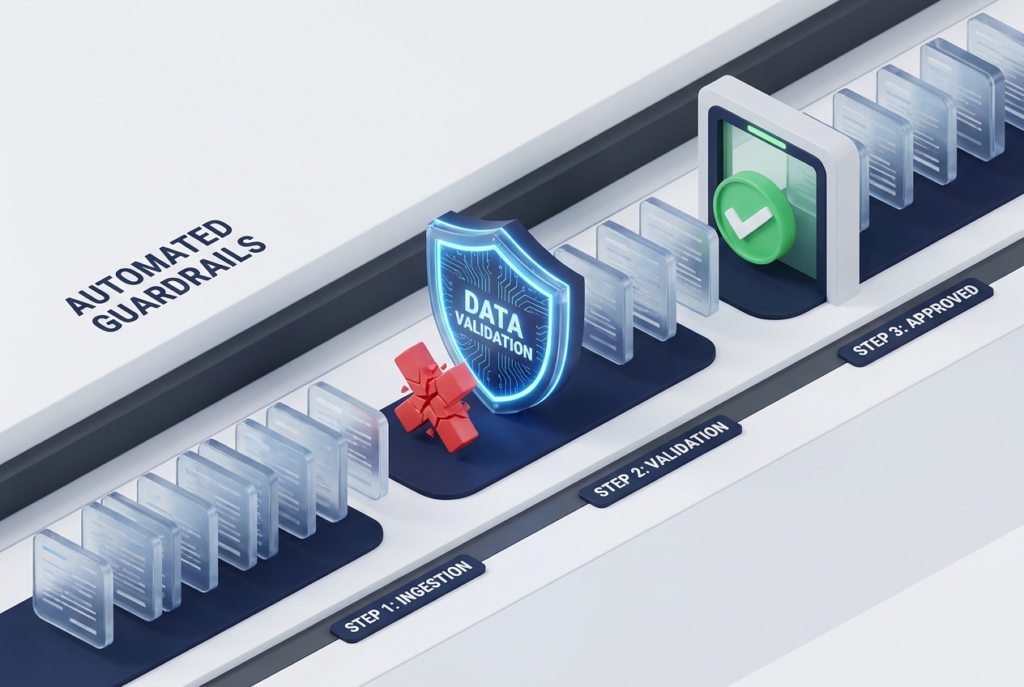
Automated systems act like real-time spellcheckers for your business data. They can immediately flag and pause a process if they detect:
- Duplicate customer profiles or invoices
- Missing phone numbers or invalid email formats
- Inconsistent pricing or missing manager approvals
4. Seamless, Instant Handoffs
Every time a project moves from Sales to Finance or Operations, communication gaps can occur. Automation connects these steps into a single, cohesive loop—handing off tasks instantly and notifying the next team member automatically.
Technology is the Assistant, Humans are the Thinkers

Implementing automation doesn’t mean removing humans from the equation. In fact, it does the opposite.
By letting software handle the tedious, repetitive “click-and-drag” tasks, you unlock your team’s actual potential. They can finally redirect their time and energy toward what they do best:
- High-level problem solving and strategic growth
- Fostering genuine customer relationships
- Creative decision-making and innovation
Build Smarter, More Reliable Workflows
You can’t eliminate human error entirely, but you can drastically reduce the opportunities for it to happen. The ultimate goal of automation isn’t just to make your team work faster—it’s to build a business infrastructure that is reliable, scalable, and completely stress-free.
At DotDash Technologies, we specialize in helping businesses automate repetitive workflows, bridge communication gaps, and connect legacy systems—all without requiring a painful, top-to-bottom infrastructure overhaul.
👉 Contact our automation team today to discuss how we can help you build error-free processes tailored to your team!


No responses yet