

Many businesses start automation at a task level—like setting up an auto-responder for an email or auto-saving an attachment. While that saves a few minutes here and there, the real magic happens when you scale up.
In 2026, the competitive edge belongs to companies that automate end-to-end processes across entire departments. By connecting multiple steps into a single, streamlined workflow, you eliminate manual handoffs, cut down on human error, and completely smash operational bottlenecks.
If your team is still drowning in repetitive, manual tasks, you are losing serious productivity. Leveraging tools like Robotic Process Automation (RPA) and Business Process Automation (BPA) allows your workforce to stop acting like robots and start focusing on strategy.
Here are the top 10 end-to-end processes your business should automate this year to maximize efficiency.
1. Employee Onboarding & HR Documentation

First impressions matter, but HR teams often get bogged down in paperwork loops. Tracking down contract signatures, request forms, and training schedules manually slows down the onboarding experience and risks compliance gaps.
An automated onboarding pipeline triggers the moment a candidate accepts an offer. The system instantly auto-generates contracts, initiates background checks, provisions IT hardware, and queues up training modules without HR lifting a finger.
2. Invoice Processing
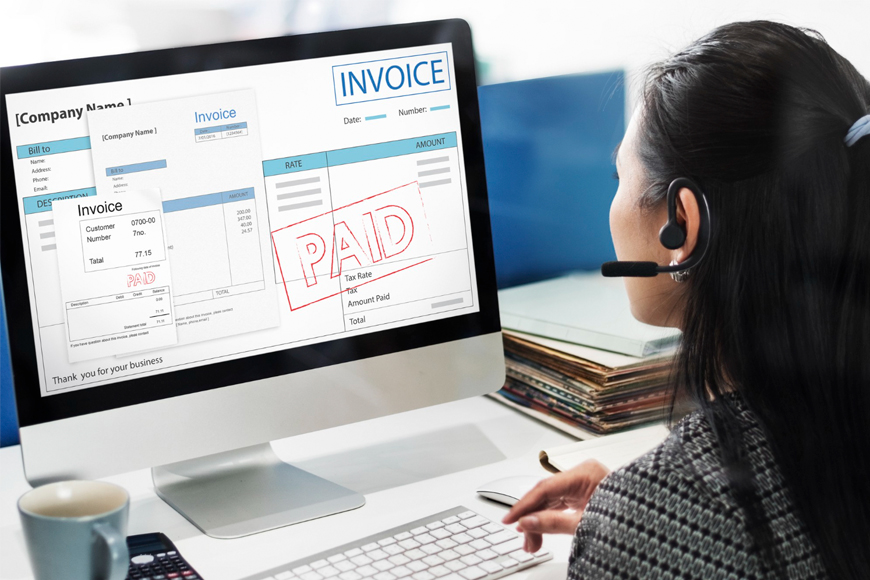
Manual data entry for accounts payable is notoriously slow and prone to errors. Verifying invoices against purchase orders and waiting for manual sign-offs creates payment delays and strained vendor relationships.
End-to-end invoice automation uses intelligent data capture to read incoming invoices, match them against purchase orders (three-way matching), and route them to the correct manager for approval before queuing them directly into your accounting software.
3. Payroll Management

Running payroll manually is a monthly headache. Manually calculating hours, deducting taxes, and factoring in variable commissions takes up too much time and leaves room for costly accounting mistakes.
Streamlining the data flow from your time-tracking software directly into your accounting suite changes the game. It instantly calculates salaries, manages deductions, and executes direct deposits perfectly on schedule every single month.
4. High-Volume Data Entry Tasks

Your team is likely losing thousands of hours manually copying information from spreadsheets into web applications or migrating old data between disconnected legacy systems.
Deploying RPA (Robotic Process Automation) bots to handle these repetitive data loops ensures the job gets done 24/7 with 100% accuracy. This keeps your records pristine while freeing up your human workforce to focus on strategy and growth.
5. Customer Support Ticket Routing
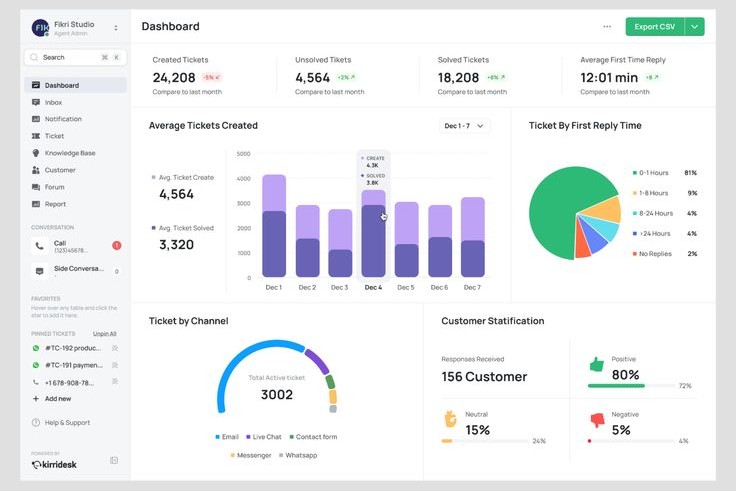
Letting customer issues sit in a generic support inbox leads to slow response times, missed tickets, and frustrated customers who feel ignored.
Intelligent AI routing fixes this by analyzing incoming customer queries the moment they arrive. The system automatically categorizes tickets by urgency, matches them to the right specialized agent, and instantly sends automated, personalized answers to common FAQs.
6. Dynamic Report Generation

Compiling cross-departmental data for weekly or monthly business reviews is a massive time sink that usually yields outdated insights by the time the report is actually finished.
The modern approach is to set up dynamic report generation that pulls real-time metrics directly from your marketing, sales, and financial software. The system automatically populates live dashboards and delivers them straight to stakeholders’ inboxes.
7. Email Notifications & Approvals

Crucial projects often stall out completely because creative assets, budget changes, or discount requests are buried in a manager’s messy inbox waiting for a simple sign-off.
By building an automated approval workflow, you remove the bottleneck. The moment a request is submitted, the system pings the designated decision-maker via email or chat. Once they click approve, the workflow instantly advances the project to the next milestone.
8. Inventory Updates

Relying on manual stock checks leads to frequent stockouts, over-purchasing, and lost revenue across multiple storefronts.
Connecting your sales channels to an end-to-end inventory tracking system solves this. Stock levels update automatically in real time across all storefronts, and the system auto-generates purchase orders to your suppliers the moment stock drops below your set limit.
9. Compliance Reporting
Trying to catch compliance risks manually is a dangerous gamble. Waiting until an audit to find data gaps or regulatory issues can result in massive fines and legal headaches.
Automating your compliance tracking keeps the system running continuously in the background. It logs audit trails, tracks data access, and instantly flags potential compliance vulnerabilities before they turn into real liabilities.
10. Appointment & Meeting Scheduling

The endless exchange of “What time works for you?” emails with clients and partners wastes valuable time and hurts the overall customer experience.
Automated scheduling tools tie directly to your team’s calendars, allowing clients to select their own time slot from open availability. The platform then automatically generates video meeting links and sends out confirmation reminders to eliminate no-shows.
Ready to Supercharge Your Business Efficiency?
In today’s fast-paced market, manual workflows aren’t just slow—they’re a quiet drain on your growth. Transitioning to end-to-end business automation prepares your organization for flawless operational accuracy, seamless scalability, and a workforce that is finally freed up to focus on high-impact strategy.
Want to learn more about eliminating bottlenecks with RPA and BPA? [Subscribe to our newsletter] or [contact our team today] for a free automation consultation.

nice post